Helpful Tips for Recovery

Peaceful meditation scene

Daily Self-Care Practices

Start your day with 5-10 minutes of mindfulness or meditation. Maintain a consistent sleep schedule. Stay hydrated and eat nutritious meals. Take short breaks throughout the day to recharge. Practice deep breathing.
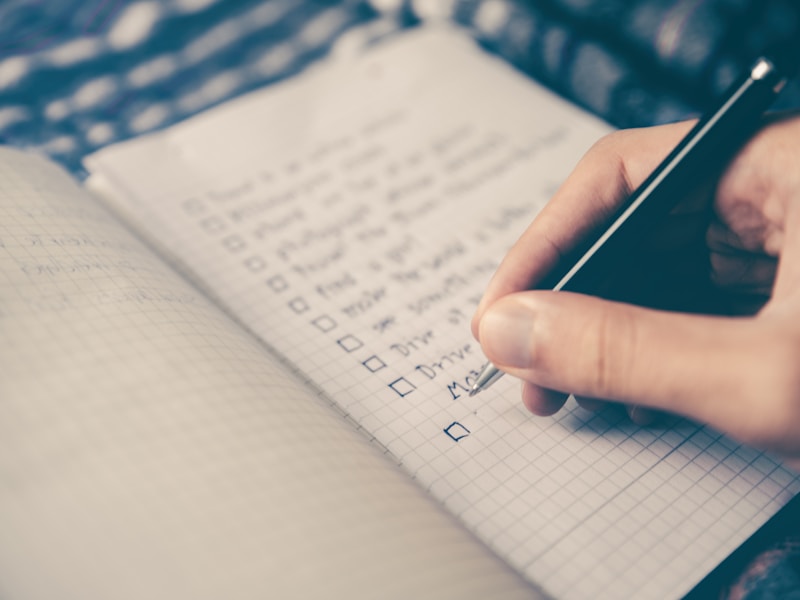
Goal planning notebook

Setting Realistic Goals

Break large goals into smaller, manageable steps. Celebrate small victories along the way. Be patient and kind to yourself. Track your progress in a journal. Adjust goals as needed without judgment.

People supporting each other

Building Support Networks

Connect with peers in recovery regularly. Attend support group meetings consistently. Share your journey with trusted friends and family. Find a mentor or sponsor for guidance. Build positive relationships.

Person exercising outdoors

Physical Wellness

Exercise regularly - even a 20-minute walk helps. Stay consistent with prescribed medications. Attend all medical and therapy appointments. Limit caffeine and sugar intake. Develop a relaxing bedtime routine.

Calm mindful moment

Managing Triggers

Identify your personal triggers and warning signs early. Create a comprehensive safety plan for high-risk situations.

Use healthy coping strategies when triggered instead of falling back on old patterns. Reach out for support before situations escalate.

Avoid environments that may compromise your recovery and surround yourself with positive influences.

Person writing in journal

Mental Health Maintenance

Journal your thoughts and feelings daily to process emotions and track patterns. Practice gratitude by listing 3 things you're thankful for each day.

Challenge negative thoughts with positive affirmations. Engage in hobbies and activities that bring you joy and fulfillment.

Limit exposure to negative news and content that drains your emotional energy.

FAQs

  • A day treatment program provides comprehensive therapeutic services during daytime hours while allowing participants to return home in the evenings. It offers structured support including group and individual therapy, skill-building workshops, and case management, bridging the gap between intensive inpatient care and independent living.

  • Program duration varies based on individual needs and progress. Most participants attend for 3-6 months, but some may benefit from longer or shorter stays. Your treatment team will work with you to determine the appropriate length based on your goals and recovery progress.

  • Bring a valid ID, insurance information, list of current medications, emergency contact details, and a notebook. Wear comfortable clothing. Leave valuables at home. We'll provide all necessary materials for activities and workshops.

  • Yes, absolutely. All services are completely confidential and protected by HIPAA regulations. Information is only shared with your written consent or as required by law. Your privacy and trust are our top priorities.

  • Yes, our program is designed to accommodate work and school schedules when possible. We offer flexible scheduling options and can work with you to create a plan that supports both your recovery and your other commitments. Our job coaching services can also help you maintain employment during treatment.

  • Relapse is sometimes part of the recovery process. If it happens, we provide immediate support, reassess your treatment plan, and work with you to strengthen your recovery strategies. Our focus is on learning from setbacks and moving forward, not punishment or shame.

  • We accept most major insurance plans and Medicaid. Our admissions team will verify your benefits and explain your coverage before you begin. We also offer sliding scale fees and payment plans for those without insurance or with limited coverage.